Credits: Aarticles Archive / House of Finn Juhl / FRAMA
Copenhagen, June 17-19, 2026 - As anticipation builds for the upcoming edition of 3 Days of Design, Copenhagen once again prepares to become the epicentre of contemporary design. Over the past decade, the festival has evolved into one of the industry's most influential platforms, offering a more intimate and human-centred alternative to traditional design fairs. Through exhibitions, installations, and creative collaborations spread across the Danish capital, it provides a unique lens into the ideas, values, and sensibilities shaping the future of design.
This year's theme, "Make This Moment Matter," reflects a growing cultural desire for intentionality. It calls on designers, brands, and consumers alike to create with purpose, embrace meaningful experiences, and value objects that foster lasting emotional connections. From multisensory installations and explorations of wellbeing to reflections on heritage, ritual, and belonging, the 2026 programme promises a rich dialogue around what truly matters in our everyday lives.
Ahead of the event, we have selected a series of exhibitions that capture the spirit of this year's edition and reveal the emerging design directions set to influence not only interiors and furniture, but also beauty, wellness, and luxury industries in the years to come.
BREAD AND BUTTER - REIMAGINING THE RITUAL OF BATHING
Credits: Bread and Butter
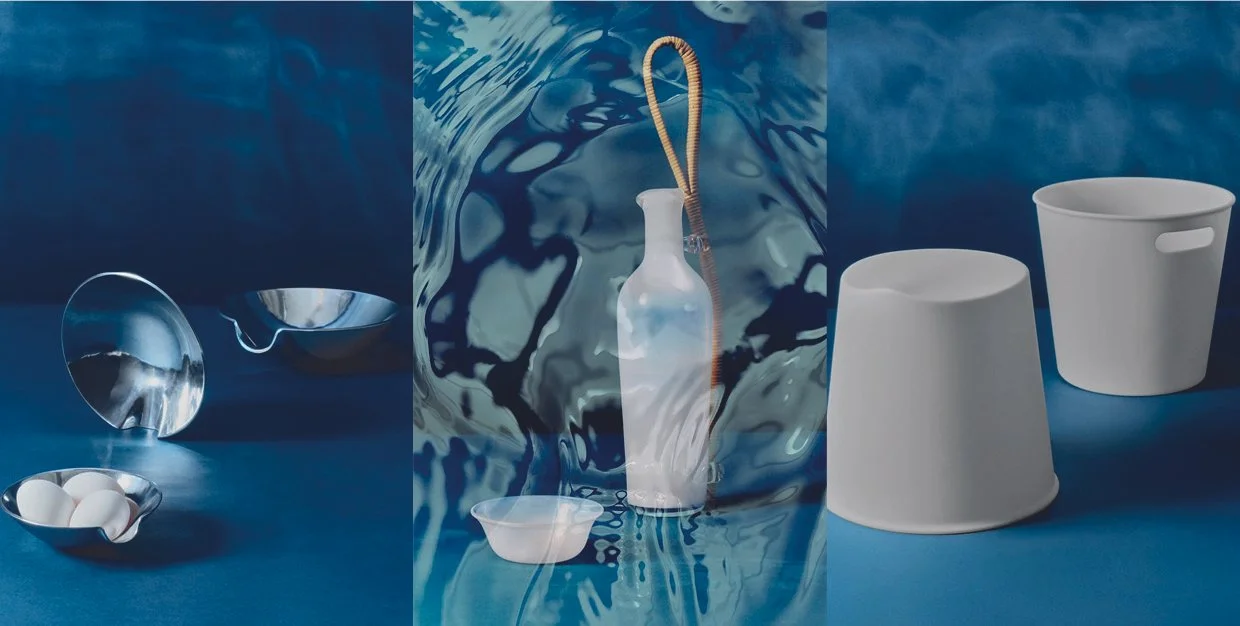
Returning for its second edition, Bread and Butter expands beyond the dining table to explore the universal yet deeply personal act of bathing. Hosted in a former apartment in Copenhagen's historic centre, the exhibition brings together 16 international designers to examine bathing traditions across cultures, from Japanese onsens and Korean jjimjilbangs to Finnish saunas and Danish harbour baths.
Through objects inspired by memory, care, and ritual, designers reinterpret everyday bathing tools as emotional artefacts. Far from being purely functional, the exhibition positions bathing as a moment of transition, reflection, and restoration. It explores how design can elevate daily routines into meaningful rituals, transforming ordinary gestures into opportunities for presence and wellbeing.
COMPOSITIONS BY AARTICLES - THE BEAUTY OF LAYERED NARRATIVES
Credits: Aarticles
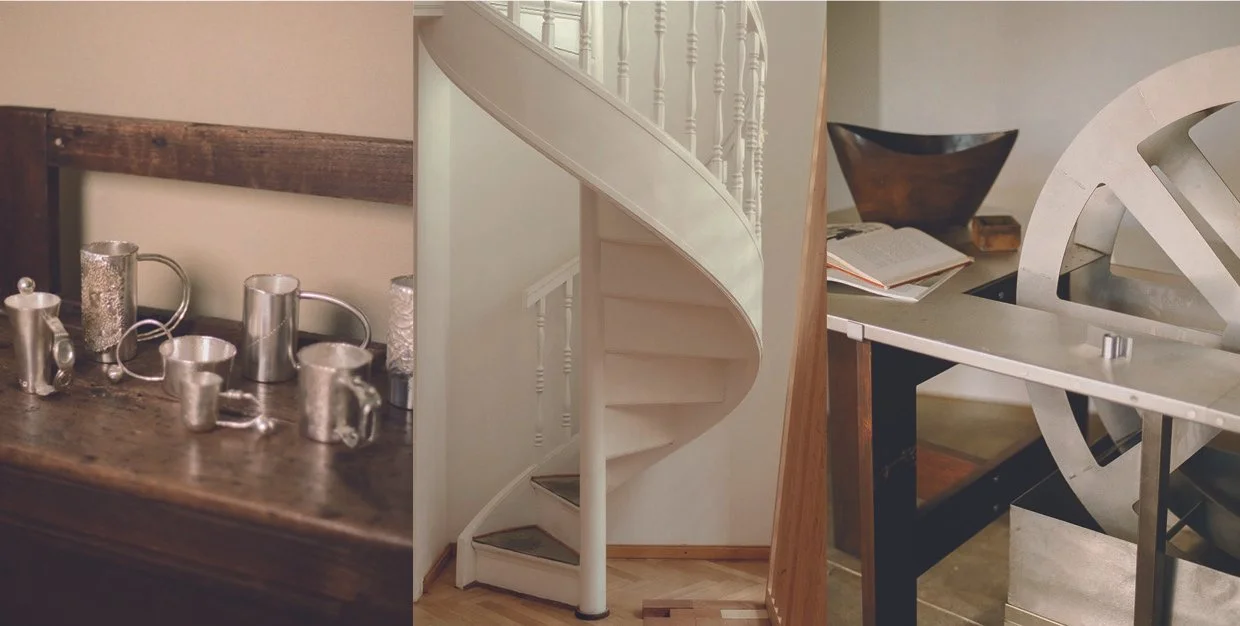
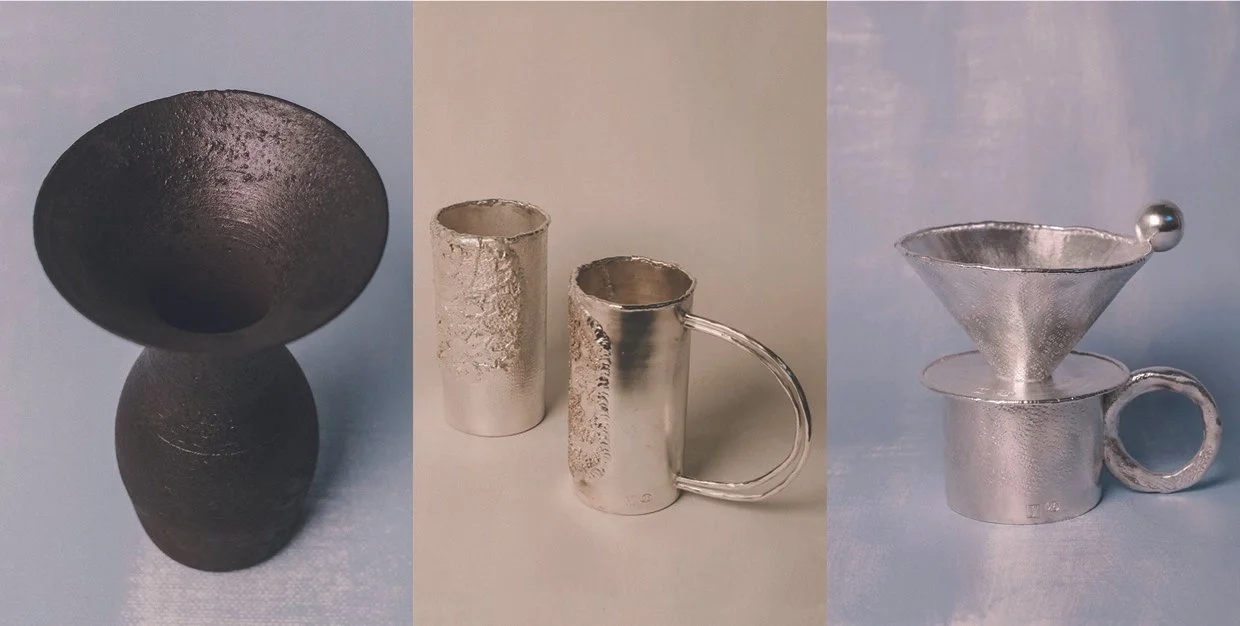
In a historic Copenhagen apartment transformed into a creative workspace, gallery-platform Aarticles presents Compositions, a thoughtful exploration of how objects accumulate meaning over time.
Rather than showcasing isolated pieces, the exhibition brings together works from different collections and periods, creating a dialogue between past and present. Wooden sculptures by Californian designer Vince Skelly, new Bizen from Sharlen Nozawa, hand-blown glass vessels by Jérémie St-Onge, ceramics by Juliette Pénélope Pépin, and metal works by Yeodong Yun (among others) form a rich landscape of materials, techniques, and stories.
The exhibition proposes an alternative vision of design: one where value emerges not from novelty alone, but through continuity, layering, and interaction. Objects become participants in an evolving conversation, illustrating how meaning is constantly reshaped through context and coexistence.
THE DEVIATION IS IN THE DETAIL - HERITAGE REIMAGINED
Credits: House of Finn Juhl
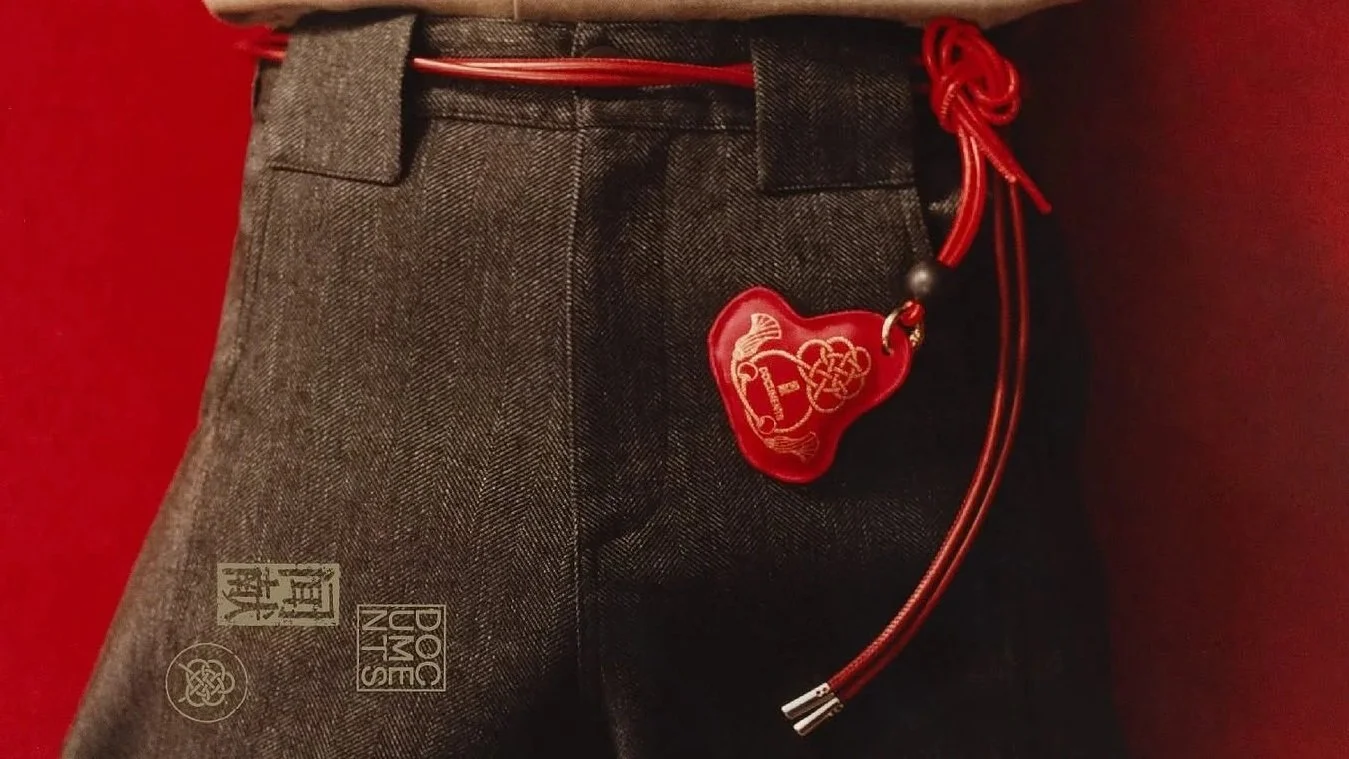
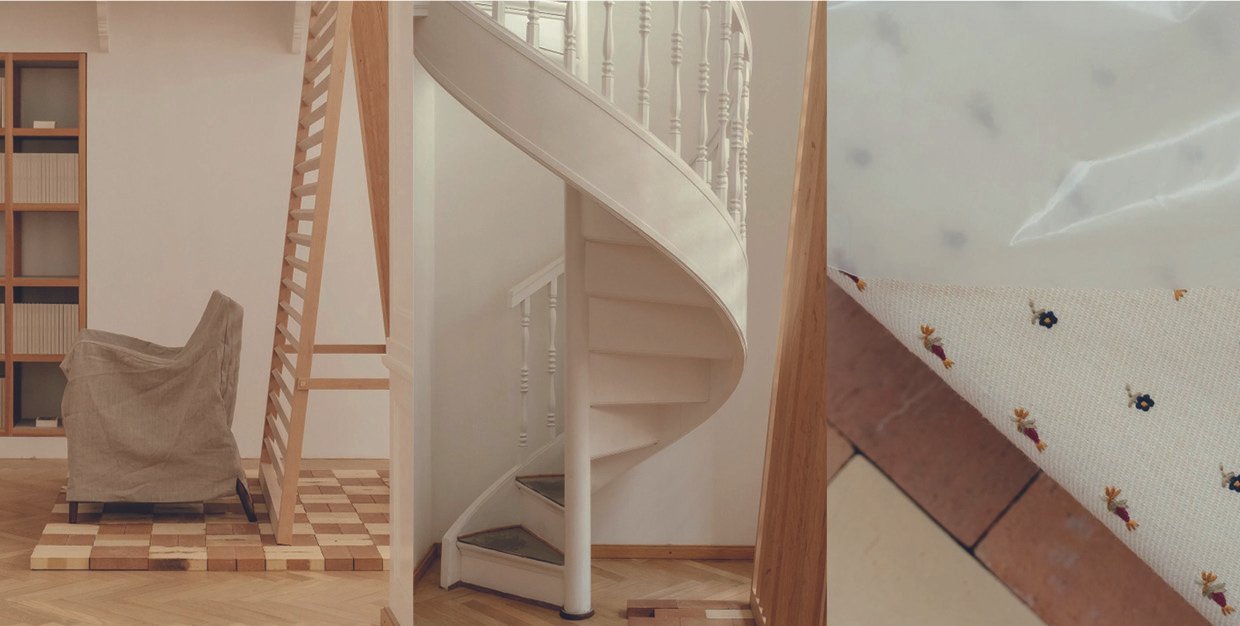
At the House of Finn Juhl flagship showroom, The Deviation is in the Detail, curated by Mentze Ottenstein, explores the transformative power of subtle interventions.
Drawing inspiration from Finn Juhl's iconic Japan Series, the exhibition introduces embroidered textiles developed in collaboration with New York fashion label Sea New York. These delicate additions offer a fresh perspective on the celebrated furniture collection while preserving its original spirit.
The project reflects a growing movement within contemporary design: the reinterpretation of heritage through craft. Rather than radically reinventing classic forms, designers increasingly seek emotional depth through texture, ornamentation, and nuanced details that create new narratives while honouring the past.
ECHOES OF SPACE - WHEN CONTEXT BECOMES EMOTION
Credits: Openhouse
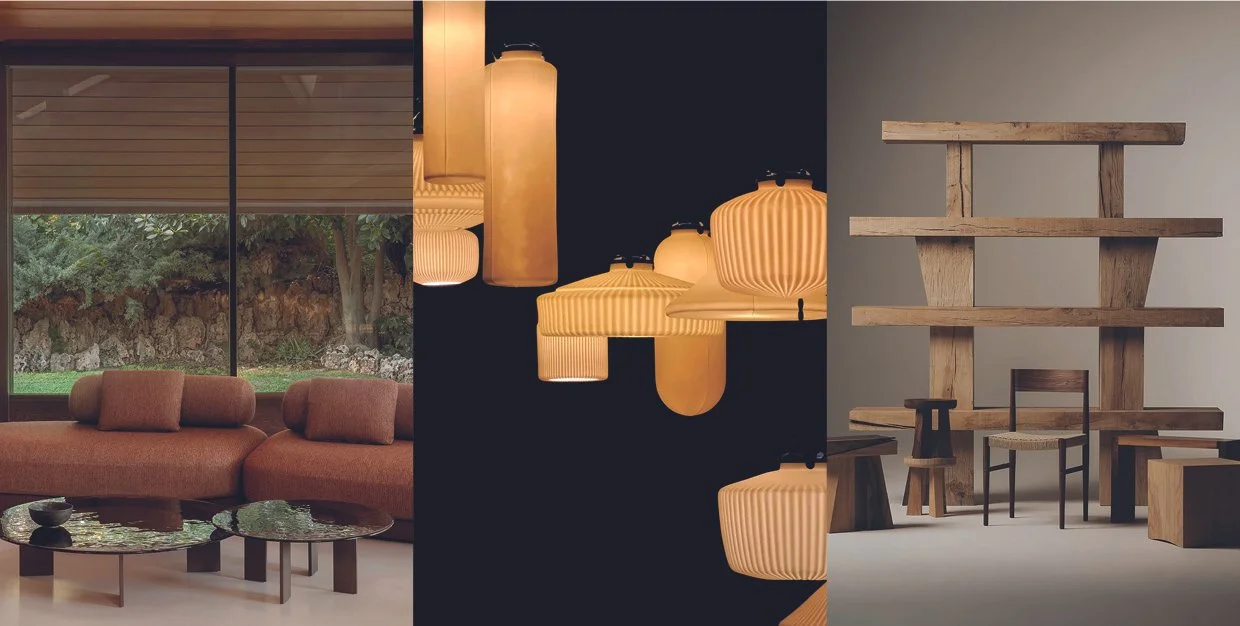
Presented by Openhouse Magazine at The Conary, Echoes of Space explores the profound influence of environment on our perception of objects.
Styled by Henriette Schou and developed in collaboration with Expormim, Saba Italia, JOV, Japan Form, and Mike Hausmann, the exhibition unfolds through a sequence of carefully orchestrated interiors. Furniture, lighting, textiles, and architectural elements interact to reveal how scale, atmosphere, and light fundamentally alter the emotional resonance of design.
Rather than focusing solely on the objects themselves, the exhibition examines the spaces between them, the invisible conditions that shape experience. It offers a compelling reflection on how context acts as an emotional lens through which design is perceived, interpreted, and understood.
THE MECHANICS OF SCENT - DESIGNING THROUGH INVISIBLE MATERIALS
Credits: FRAMA
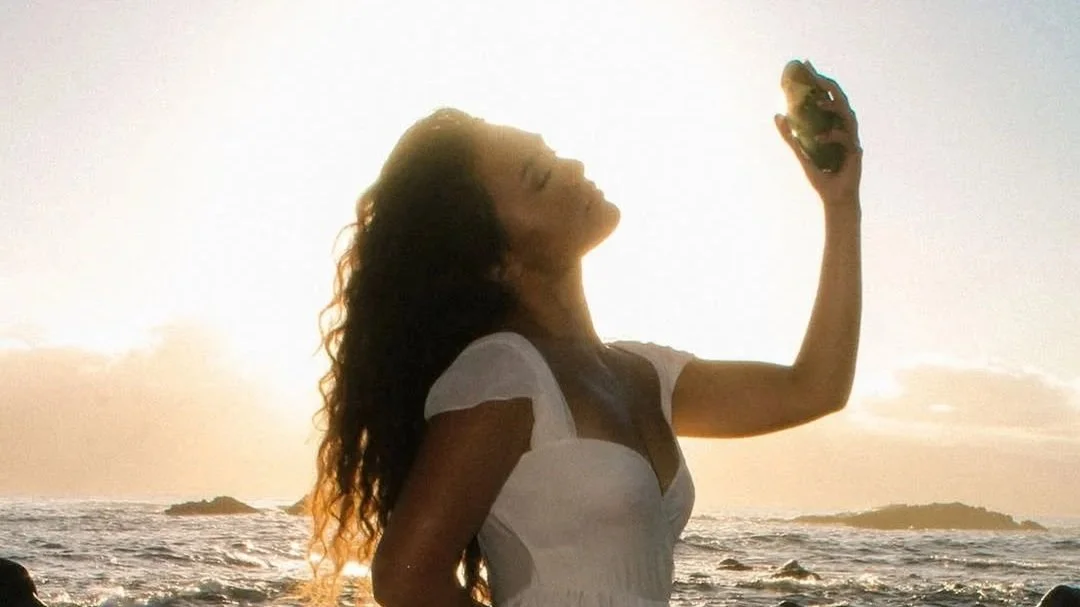
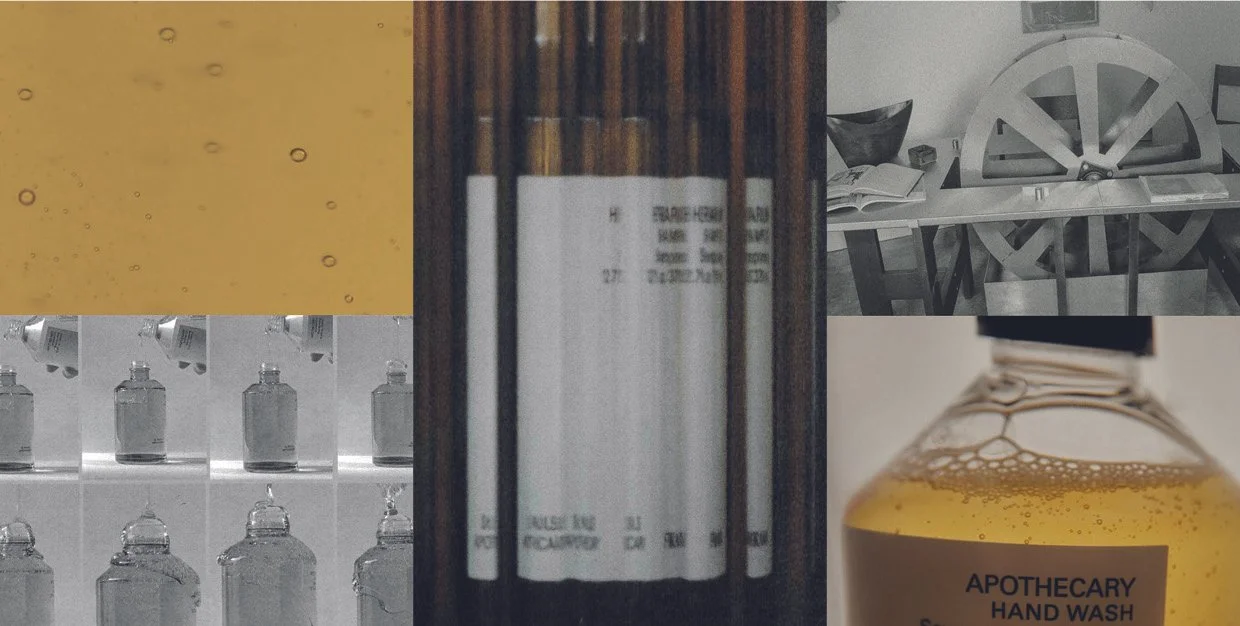
One of the most anticipated sensory installations of this year's festival comes from Copenhagen-based brand FRAMA. Following presentations in Paris, Los Angeles, and New York, The Mechanics of Scent returns home to explore fragrance as a design medium in its own right.
Celebrating the tenth anniversary of Apothecary, FRAMA's signature scent, the exhibition transforms scent from an atmospheric element into a sculptural and spatial experience. New scent sculptures, immersive environments, and a limited-edition beverage created in collaboration with ÅBEN invite visitors to engage with fragrance through multiple sensory channels.
By placing scent at the centre of the design experience, FRAMA challenges traditional hierarchies that privilege visual perception. The exhibition explores how invisible materials can shape memory, identity, and emotional connection just as powerfully as physical objects.
I, BELONG - REDISCOVERING THE POWER OF FIRE
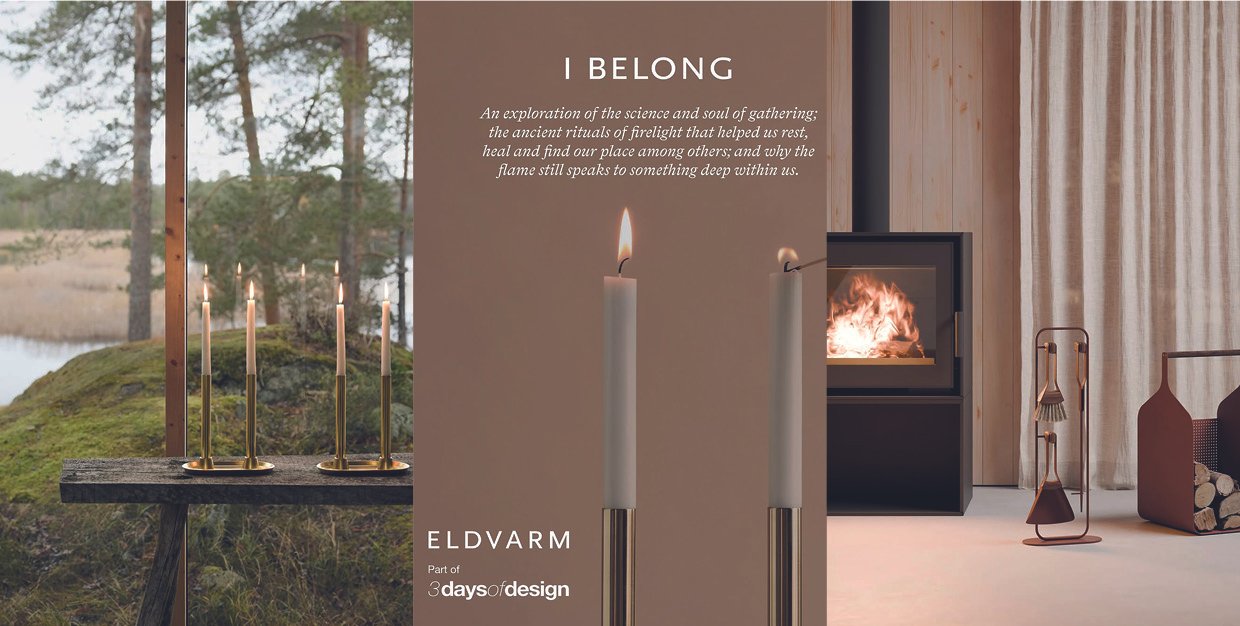
Credits: ELDVARM
At The Conary, Swedish brand Eldvarm presents I, Belong, an exhibition investigating the ancient relationship between fire, wellbeing, and human connection.
Developed by founder Louise Varré, the project draws on neuroscience, anthropology, and design to explore why fire continues to hold such a powerful psychological influence. Featuring works by Emma Olbers, Daniel Rybakken, and Guillaume Delvigne, the exhibition examines the rituals that have historically unfolded around fire: storytelling, communal meals, reflection, and togetherness.
The installation suggests that our attraction to fire is deeply embedded within human evolution. More than a source of warmth, it remains a symbol of belonging, comfort, and collective experience. In a world increasingly mediated by screens and digital interactions, the exhibition proposes a return to elemental experiences that regulate the nervous system and foster genuine connection.
THE COSMETICS IC TAKE
At Cosmetics Inspiration & Creation, we see the 2026 edition of 3 Days of Design as a signal that consumers are, again, seeking experiences that feel more intentional, immersive, and emotionally grounding. For beauty, wellness, and luxury brands, four key opportunities stand out:
Rituals as everyday luxury: From bathing culture at Bread and Butter to Eldvarm's exploration of fire, everyday practices are being elevated into intentional moments of wellbeing. Brands have an opportunity to create products and services that support these meaningful daily rituals.
Invisible sensoriality: Fragrance, warmth, acoustics, and atmosphere are emerging as powerful tools for creating memorable brand experiences beyond visual aesthetics.
The need for belonging: Design increasingly responds to a desire for comfort, togetherness, and emotional safety, opening new territories for community-driven experiences.
Meaning through context: Exhibitions such as Echoes of Space remind us that objects never exist in isolation. Creating cohesive ecosystems across products, packaging, retail, and digital touchpoints are key to building stronger emotional resonance.