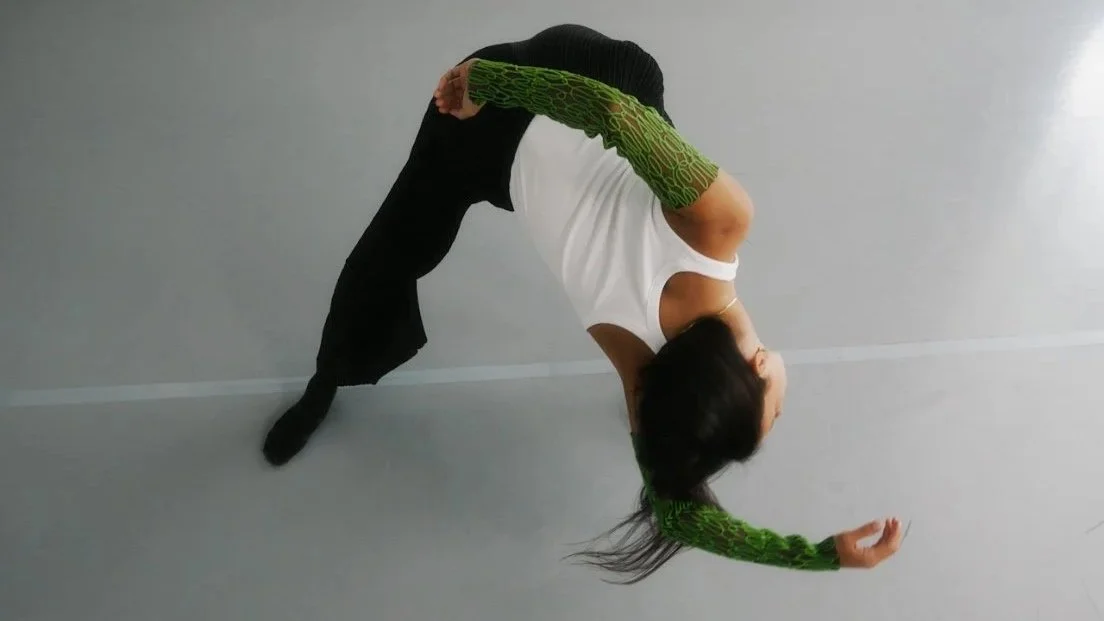
Credits: Shauna Summers via Deathtostock
In our 2026 White Book, the Cosmetics IC team decodes the societal shifts and breakthrough beauty innovations that will transform the shape of the industry for the years ahead in 2026 and beyond.
The beauty industry is entering a new phase of transformation - one shaped by constant movement, uncertainty, and acceleration, but also by a growing desire for control, grounding, and intention. In a world marked by technological intensity, AI-driven systems, climate instability, and shifting social norms, consumers are recalibrating. Age, categories, and rigid frameworks are losing relevance, replaced by fluid identities, expert knowledge, and deeply personal choices. Beauty is no longer static or purely aesthetic: it has become adaptive, experiential, and emotionally strategic.
The Age of Flow reflects this moment. It describes a cultural shift where consumers learn to navigate extremes: between performance and care, indulgence and discipline, technology and humanity. Flow is about movement with purpose - choosing when to accelerate, when to protect, when to indulge, and when to return to what feels essential.
“Beauty now operates as a tool for alignment. From amplified physical performance and medi-wellness to protective rituals, sensorial pleasure, human expertise, and radical self-expression, brands are responding to a consumer who is more informed, more demanding, and more intentional than ever.” said Leïla Rochet, Chief Inspiration Officer of Cosmetics Inspiration & Creation.
Discover 5 inspiration territories to fuel your future innovation:
1. Superhuman Future: The optimization era
Across sport, wellness and beauty, performance is no longer instinctive or episodic. It is becoming structured, intentional and system-led. Consumers are replacing routines with protocols: calibrated sequences designed to regulate the body, improve efficiency and deliver measurable outcomes. Strength is no longer about appearance, but about functional capability, durability and long-term autonomy.
This philosophy is embodied by the rise of fitness-as-a-sport formats such as HYROX, which reward consistency, endurance and functional strength rather than elite specialization. Luxury fitness brands reinforce this mindset. Equinox’s It’s Not Fitness, It’s Life platform reframes physical mastery as a lifelong philosophy, positioning commitment and bodily ownership as expressions of identity.
Performance values increasingly extend into fashion and beauty: YSL Beauty’s Lash Latex Mascara borrows the language of training, framing lashes through repetition, endurance and lift rather than instant enhancement.
Recovery itself becomes a performance strategy. Nike x Hyperice’s Hyperboot integrates warm-up and recovery directly into footwear, while beauty adopts tech-enabled protocols such as Vagheggi x Nuon Medical’s 75.25 Longevity Day Cream, where professional treatment logic is translated into controlled at-home use.
In the future, beauty will operate as a system of optimization, balancing performance, recovery and longevity.
2. HUSH STATE: Protective harmony
In an age of intensity and extremes, calm is no longer passive. It becomes regulated, designed and strategic. As environmental stress, climate volatility and mental overload intensify, consumers are no longer seeking escape, but equilibrium, a way to protect internal balance while navigating external instability.
This shift is reflected in a new aesthetic language built on softness, restraint and visual breathing space. Pantone’s Cloud Dancer, described as “a discreet hue offering a promise of clarity,” embodies this desire for simplification and sensory relief. In culture, Rosalía’s latest album explores spirituality through vulnerability and contradiction, signalling quieter, more introspective forms of transcendence.
Protective harmony extends into physical environments. Hospitality increasingly prioritises silence, slowness and nervous-system regulation, positioning calm as a core luxury value. Aman pioneered this approach by redefining the hotel as a place of retreat rather than stimulation, where architecture and pacing support introspection and recovery.
In beauty, protection begins with real-time regulation. Cooling is reframed as active defence through products such as TIRTIR’s Ice-Cooling Cloud Cream. Skincare also addresses stress-induced responses directly, with Beekman 1802’s Magnesium Milk Barrier Reset Jelly Mist targeting cortisol-related irritation.
In the future, calm will function as a form of sustained flow, maintaining balance without stopping movement.
3. LIBERATING REWARDS: Pleasure by design
Under growing conditions of control and optimization, pleasure becomes purposeful. Sensation is no longer ornamental, but a driver of engagement, efficiency and momentum. As daily life becomes increasingly disciplined, consumers actively seek moments of release that fuel desire rather than disrupt performance.
Hyper-specific pleasure cues now trigger instant emotional response. The resurgence of banana as a sensory obsession illustrates this logic. Prada’s viral Banana Yellow Lip Balm transforms a familiar motif into a refined beauty object, while AMUSE’s Banana Lip Oil amplifies tactility through texture, scent and oversized applicators, extending pleasure into immersive retail experiences.
Beauty increasingly draws from collective food culture, turning everyday indulgence into emotional capital. Lidl’s Eau de Croissant elevates a mass-market icon into a sensorial object, while collaborations with pastry chefs such as Nina Métayer for Burberry Goddess translate taste into scent, texture and narrative.
Pleasure also becomes functional. Fel Beauty’s Kissylips Cushy Shine Lip and Cheek Balm positions emotional uplift as a measurable benefit, while brands such as Tree Hut place sensory excess at the core of their identity.
In the future, pleasure will be deliberately designed as a performance accelerator, sustaining engagement and motivation.
4. HANDS OF MASTERY: Human expertise, elevated authority
As automation, algorithms and AI accelerate production, human expertise becomes increasingly valuable. Speed and flawless outputs are no longer sufficient. What gains value instead is mastery: the visible mark of skill, intention and trained judgment.
Craft and process regain cultural significance. Erewhon’s expansion illustrates how artisanal food culture and curated craftsmanship function as luxury markers, while growing interest in cooking and grocery tourism reflects a broader desire for discernment and know-how.
In luxury, intellectual authority becomes aspirational. Miu Miu’s Making of Old campaign reframes aged leather as intentional, positioning time and process as authorship rather than flaw. Objects are increasingly evaluated through knowledge of materials, methods and expertise.
In beauty, trust is rebuilt through expert-led propositions. DUA by AB foregrounds Augustinus Bader’s TFC5™ technology, while The Ordinary’s Ingredients Book reinforces consumer literacy. At the same time, makeup artistry regains authority through artist-founded brands (m.ph, Hung Vanngo Beauty…) and figures such as Nina Park.
In the future, beauty will privilege human mastery over automation, positioning expertise as its ultimate form of authority.
5. REBEL IDENTITY: Rule-breaking reinvention
As social norms fracture and traditional authority erodes, identity becomes an act of disobedience. Age, gender, aesthetics and usage conventions are increasingly rejected in favor of self-authored expression. Neutrality is refused, and polish gives way to provocation.
Fashion reclaims its role as cultural resistance. Rick Owens’ Tower collection at Paris Men’s FW26 exaggerates symbols of authority to strip them of power, while Dilara Findikoglu’s Cage of Innocence dismantles ideas of virtue and restraint through deconstruction and symbolism.
This rejection of refinement extends to beauty. The rise of the “messy girl” mindset embraces imperfection as authenticity, echoed in Dior Men FW26’s punk-inflected hair and exaggerated textures. Beauty becomes a language of tension, excess and visibility.
Brands increasingly encourage amplified self-expression. MAC’s collaboration with Chappell Roan sharpens makeup as spectacle, while experimental formats like Zara Hair’s Chromatic Gel or About Face’s Shimmerstick invite users to embrace the unconventional.
In the future, beauty will operate as a tool for rule-breaking self-invention: fluid, expressive and unapologetic.
The CIC Take
For an up-close look at our 5 Key Trends for 2026 and Beyond visit our booth (K48) at the upcoming MakeUp in Los Angeles (March 4 & 5) where our CIO Leila Rochet will personally talk you through a selection of international products at our Inspiration Bar, curated to illustrate many of the themes above. More information here.
The full version of our 2026 White Book: The Age of Flow is available now, contact us for more information.